Social Interactions Limit Reached Vector
First Impression: Quirky, Clean, and Instantly Relatable
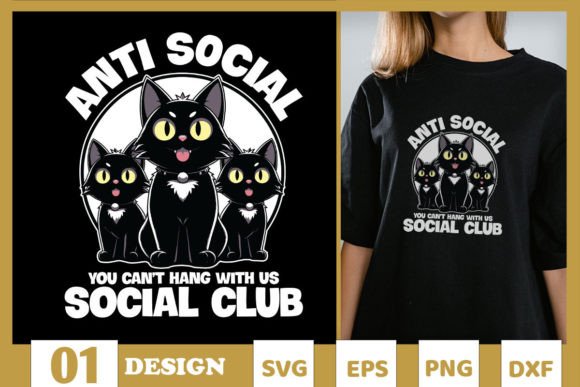
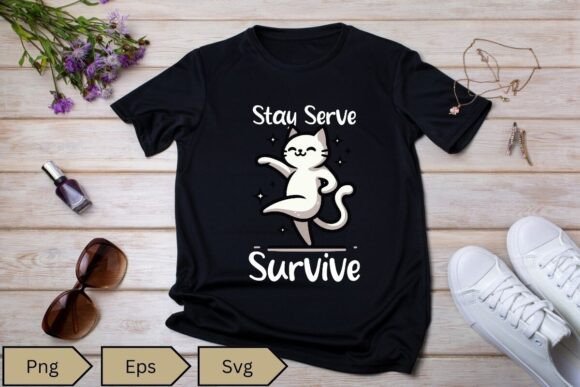
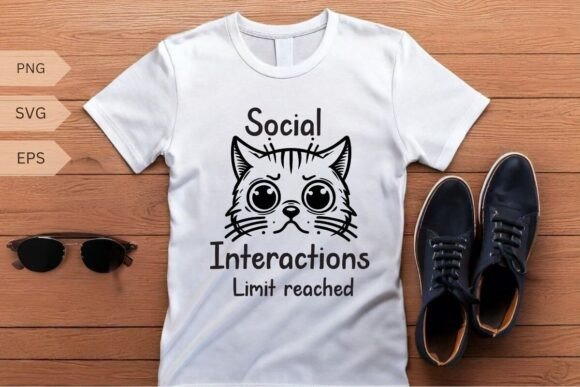
When I opened Social Interactions Limit Reached Vector, my first thought wasn’t “cute cat”—it was “yes, this is *exactly* the kind of low-stakes, high-charm graphic that sells at craft fairs and on Etsy without needing explanation.” The composition balances simplicity and personality: a stylized cat in mid-eye-roll, arms crossed (or paws, depending on interpretation), with bold, clean lettering beneath. It’s not overly detailed—no fur texture, no shading gradients—and that’s its strength. As an embroidery designer, I immediately saw how well this would translate to stitch: minimal curves, generous negative space, and letterforms with consistent stroke weight. It feels like a design made *for* real-world making—not just screen display.
A Real-World Test: Embroidering It on a Linen Tote Bag
Last week, I used Social Interactions Limit Reached Vector for a custom linen tote bag order—a small-batch boutique request for “funny but not loud” gifts for remote-work moms. I digitized it at 3.8" wide, using satin stitch for outlines and soft fill stitch for the cat’s body and text blocks. On medium-weight linen with tear-away + cut-away stabilizer, it stitched cleanly in under 4 minutes. Customers loved the subtle humor paired with refined execution—the phrase landed as witty, not sarcastic; the cat read as sassy, not grumpy. That balance matters. Too much detail would’ve blurred on textured fabric; too little would’ve felt flat. This design hits the sweet spot for handmade product appeal.
Where It Shines (and Where It Needs Care)
Social Interactions Limit Reached Vector works exceptionally well for:
- Tote bags, aprons, and tea towels—its bold silhouette reads clearly even at 4–5" scale on natural fibers
- Sweatshirts and unisex tees—the centered layout and moderate width avoid awkward shoulder or pocket placement
- Embroidered patches—clean edges mean crisp heat-seal or sew-on results without fraying risk
- Baby onesies and nursery pillows—the whimsy feels age-appropriate when sized down to 2.5", and the lack of tiny details prevents thread nesting
- Holiday or “just because” gifts—cat lovers instantly connect; the slogan adds gentle, relatable levity
But it demands thoughtful application in these cases:
- Stretchy fabrics (like jersey tees): Stabilizer choice is non-negotiable—lightweight cut-away is safer than tear-away alone.
- Dark or heavily textured backgrounds: Test thread colors carefully—white or light grey may need underlay to prevent shadowing; neon or metallics can overwhelm the tone.
- Caps and curved surfaces: Keep it under 3.2" wide and avoid placing near the bill seam—letter spacing tightens on curves.
- Small hoop sizes (under 4"): The phrase “Limit Reached” has tight kerning—zoom in before stitching to confirm legibility.
- Frequent-wash items (baby clothes, kitchen towels): Use high-quality polyester thread and lock stitches at start/end—this isn’t a design where loose threads go unnoticed.
What It Does for Your Craft Business
As someone who’s reviewed hundreds of T-Shirt Designs and Graphics for commercial use, I’ll say this plainly: Social Interactions Limit Reached Vector elevates perceived value without demanding premium production time. It doesn’t scream “luxury,” but it signals intentionality—like you chose something clever instead of defaulting to a generic paw print. For Etsy sellers, that builds trust: buyers see craftsmanship *and* personality in one stitch. For small shop owners, it performs consistently across product types—whether printed mockups for Instagram or actual embroidered pillow covers sold at local markets.
It also supports brand consistency without locking you into a rigid aesthetic. Pair it with neutral apparel (heather grey sweatshirts, natural canvas totes) and it reads minimalist-chic. Add it to a bright pink baby blanket? It becomes playful contrast. That flexibility makes it a smart addition to your core design assets, especially if you serve multiple customer segments—new parents, remote workers, teachers, or therapy pet advocates.
Practical Designer Notes Before You Stitch
Before adding Social Interactions Limit Reached Vector to your next embroidery project, do these five things:
- Test on scrap fabric—especially if using textured, dark, or stretchy materials. Watch how the lettering holds up.
- Check thread color contrast in both black-and-white and color mockups—some “funny cat” palettes lose readability in grayscale previews.
- Review stitch density: If your digitized version feels heavy, reduce fill stitch density by 10–15%—this design thrives on airiness.
- Confirm licensing for your use case—especially if selling finished items or bundling it as part of a digital embroidery file pack.
- Inspect corners and curves in your embroidery software: ensure the cat’s ears and letter terminals don’t have excessive jump stitches or overlapping satin columns.
Final Thought: A Design That Sells Itself—Quietly
Social Interactions Limit Reached Vector won’t win awards for technical complexity—but it’s the kind of machine embroidery design that quietly converts browsers into buyers. It fits seamlessly into custom apparel, personalized gift lines, and small shop product collections without requiring extra explanation or marketing lift. For embroidery designers and creative entrepreneurs alike, that’s rare. It respects your time, your machine, your fabric—and most importantly, your customer’s sense of humor. Just remember: great embroidery starts with smart design choices, not just perfect stitches. This one earns its place in your working library.