That Was a Total Cat-astrophe Funny Cat
A Designer’s First Look: Playful, Punchy, and Perfectly Unserious
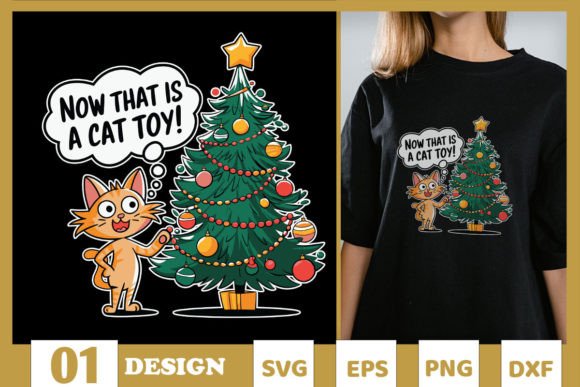
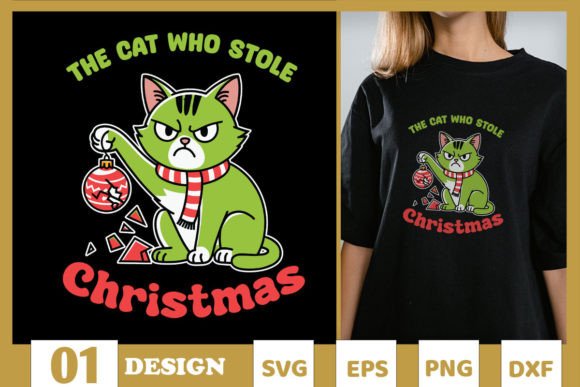
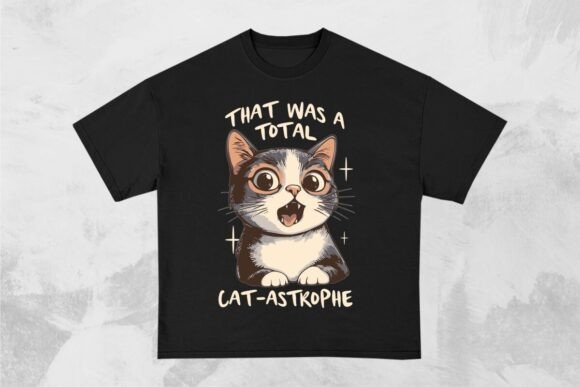
When I opened That Was a Total Cat-astrophe Funny Cat, I smiled before I even zoomed in. It’s got that rare kind of charm — not trying too hard to be clever, but landing the joke with visual confidence. The cat’s expression is delightfully exasperated, its posture slightly slumped, tail flicking mid-air like it just knocked over your favorite mug. The typography leans into the chaos with playful weight and subtle bounce — clearly built for readability *and* personality. As a designer who’s stitched hundreds of custom pieces for Etsy sellers and boutique shops, I immediately pictured this on a linen tea towel for a cat-loving friend, or as a small embroidered patch on a denim jacket. It feels handmade in spirit, even though it’s a digital embroidery file — and that authenticity matters when you’re building trust with customers.
Where This Design Truly Shines (and Where It Needs Care)
That Was a Total Cat-astrophe Funny Cat works beautifully on stable, medium-weight fabrics: cotton twill for tote bags, fleece-lined sweatshirts, sturdy canvas aprons, and brushed cotton pillow covers. I recently tested a scaled-down version (about 3.5” wide) on a baby onesie using light tear-away stabilizer — the satin stitch around the cat’s outline held crisp, and the lettering stayed legible without bleeding. On a curved surface like a structured cap? I’d recommend keeping it under 2.75” wide and using cut-away stabilizer underneath — the curves in the tail and “C-A-T” letters need extra support to avoid puckering.
It’s less ideal for ultra-thin fabrics like rayon challis or highly textured surfaces like bouclé knit — those details get lost or distorted. And while the design reads well on dark fabric (especially with white or light grey thread), avoid stitching it directly onto stretchy jersey without proper stabilization — the “-astrophe” curve tends to distort if the base fabric shifts mid-stitch. For holiday embroidery or personalized gifts — think embroidered kitchen towels for hostess presents or nursery decor for new cat parents — this design adds instant warmth and wit without feeling cutesy or dated.
Real Project Test: A Boutique Tote Bag Launch
Last month, I used That Was a Total Cat-astrophe Funny Cat as the hero design for a limited-run batch of organic cotton tote bags sold through a local gift shop. We stitched it at 4.25” wide on the front pocket — centered, clean, and bold. Customers loved how the humor translated *in thread*: the whiskers popped with three-strand black embroidery floss, and the slight tilt of the cat’s head gave movement even in static stitching. No one mistook it for a generic clipart cat. That’s key — this isn’t just a t-shirt design repurposed for embroidery; it breathes like a machine embroidery design meant for texture, dimension, and wear.
We offered it in two thread palettes: charcoal-on-cream (for minimalist appeal) and navy-on-khaki (for earthy contrast). Both worked. But here’s what mattered most: buyers recognized the vibe instantly. One customer emailed saying, “My cat knocked over my coffee *this morning* — I had to buy the bag.” That kind of emotional resonance is gold for craft businesses and Etsy sellers. It transforms a simple embroidered patch or tote bag design into a shared moment — and that builds repeat sales.
What You Should Check Before Stitching
- Test on scrap fabric first — especially if you’re using textured or dark fabric. See how the fill stitch settles and whether the “T” in “Cat” stays sharp.
- Review stitch density — dense areas (like the cat’s fur shading or shadow under the text) can cause stiffness on lightweight garments. Adjust if needed for baby embroidery or delicate sweatshirt cuffs.
- Confirm hoop size compatibility — this design fits comfortably in a 4x4 hoop at standard scale, but double-check your file’s native dimensions before resizing.
- Inspect small details — the tiny paw print tucked into the “O” of “Cat”? Adorable — but verify it stitches cleanly at your chosen size. Tiny elements can vanish on coarse weaves.
- Try black-and-white mockups — does the contrast hold up on light and dark backgrounds? This helps with printable mockups and product photos.
- Use appropriate stabilizer — cut-away for knits, tear-away for stable wovens, and fusible for lightweight linens.
- Verify licensing — since That Was a Total Cat-astrophe Funny Cat includes OFL Font and is labeled for commercial use, confirm whether resale of finished products (like embroidered patches or apparel) is permitted under the included license.
Why This Fits So Well in Your Creative Workflow
As a graphics resource, That Was a Total Cat-astrophe Funny Cat bridges digital and physical beautifully. The SVG and PNG files make quick work of social media banners and Etsy listing thumbnails. The EPS and AI files let me tweak spacing for custom layouts — say, pairing it with a tiny paw-print border on a baby blanket embroidery project. And because it’s delivered at 300 DPI and ready-to-print, I skip hours of cleanup when prepping printable mockups for client approvals.
For small shop owners and handmade product makers, this design checks real-world boxes: it’s scalable, expressive, and commercially viable. It doesn’t scream “mass-produced.” It feels intentional — like something you’d sketch on a napkin before digitizing. That makes it easier to position as premium handmade product, not just another t-shirt design. Whether you’re embroidering holiday gifts, crafting boutique branding, or building a cohesive line of cat-themed nursery decor, That Was a Total Cat-astrophe Funny Cat delivers personality *and* practicality — no redesigns, no guesswork, just confident, stitch-ready charm.