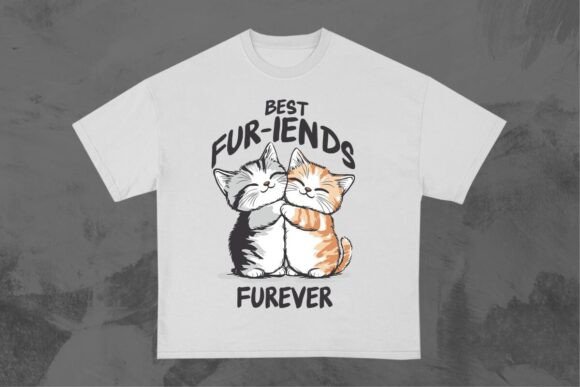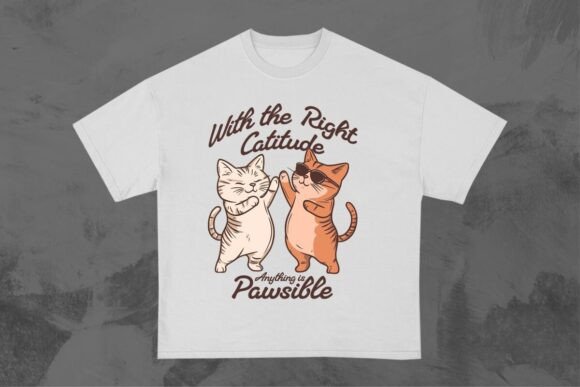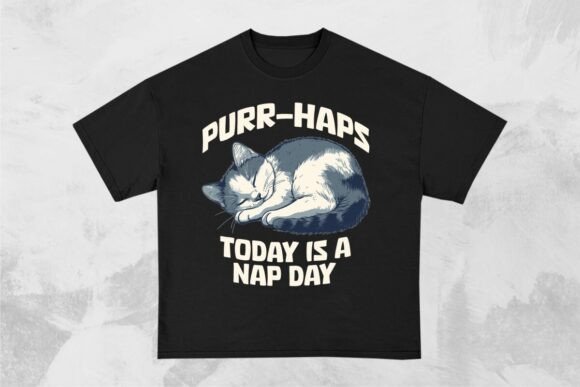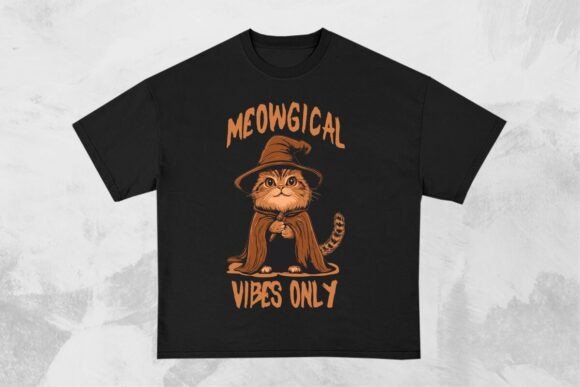
Cut the Cat-itude Funny Cat Design
First Impressions: Playful, Punchy, and Perfectly Sized for Personality
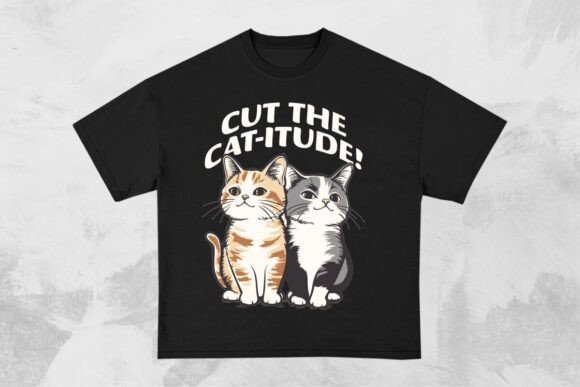
When I opened Cut the Cat-itude Funny Cat Design, my first thought wasn’t “cute”—it was “character.” The cat’s exaggerated side-eye, slightly raised paw, and bold, clean lettering instantly land as confident, tongue-in-cheek humor—not saccharine or overdesigned. As an embroidery designer who’s stitched hundreds of animal motifs, I appreciate how its silhouette holds weight without relying on fine detail. That’s critical: this isn’t a design built for micro-satin stitches or tiny whiskers. It’s made to read clearly at 3–4 inches wide—ideal for a tote bag front, a sweatshirt chest logo, or a baby onesie pocket. Its visual rhythm is balanced: the cat occupies about 60% of the width, the text wraps cleanly underneath with breathing room, and the negative space feels intentional, not empty.
Real-Life Test: Embroidering It on a Linen-Cotton Kitchen Towel
Last week, I used Cut the Cat-itude Funny Cat Design for a small-batch holiday order—a set of embroidered kitchen towels for a local boutique. Linen-cotton blend, medium weight, light natural tone. I digitized it (yes—I always re-digitize commercial graphics for stitch integrity), kept fill stitch density moderate, added a subtle running-stitch outline for definition, and used soft tear-away stabilizer. The result? Crisp, legible, and full of charm. Customers loved the wit—and more importantly, they *noticed* the craftsmanship. No thread nesting, no puckering, no lost letterforms. That tells me the original vector foundation (AI, EPS, SVG) is clean and well-structured—exactly what you need before converting to an embroidery file.
Where It Shines—and Where to Pause
Cut the Cat-itude Funny Cat Design excels in projects where personality meets practicality:
- Custom apparel: Works beautifully on cotton tees, fleece sweatshirts, and structured caps—especially when placed on the left chest or back yoke.
- Handmade gifts: A standout on baby blankets, toddler aprons, or personalized pillow covers—its humor feels warm, not edgy.
- Small shop merchandise: Ideal for Etsy sellers offering embroidered totes, tea towels, or holiday stockings—it reads well in photos and stands out in crowded marketplaces.
- Digital product previews: The included high-res PNG and PDF make crisp printable mockups for listings—no pixelation, even at 300 DPI.
But be thoughtful with execution. Avoid cramming it into hoops smaller than 4×4 inches—those bold letters need room to breathe in stitch. On highly textured fabrics like bouclé or thick terry cloth, consider simplifying the fill stitch or adding a light cutaway stabilizer. And while it handles dark fabric well (thanks to strong contrast and generous line weight), test thread colors first—navy or charcoal gray thread often reads richer than black on deep backgrounds.
Stitching Smarter: Practical Designer Notes You’ll Actually Use
Before stitching Cut the Cat-itude Funny Cat Design on your next client project or craft fair batch, here’s what I do every time:
- Test on scrap fabric first—same fiber content and weight as your final piece. Watch how the cat’s curve lays on curved surfaces (like a cap bill).
- Check thread color contrast in natural light *and* under store lighting—what pops on screen may mute on fabric.
- Review stitch density in your embroidery software. If the original file includes dense fills, reduce by 10–15% for breathable fabrics like jersey or lightweight linen.
- Confirm hoop size compatibility—this design fits comfortably in standard 4×4 and 5×7 hoops, but double-check before hooping a delicate garment.
- Inspect small details—especially the corners of the letter “A” and the tip of the cat’s ear. If they’re too tight, adjust pull compensation or add a tiny jump stitch.
- Test it in black-and-white mockups—if it holds clarity without color, it’ll hold up after washing, fading, or daily wear.
- Use proper stabilizer: tear-away for stable wovens, cutaway for knits or stretchy blends, and lightweight fusible for lightweight silks or rayons.
- Verify licensing—the listing says “Print with unlimited number of copies,” but confirm whether that extends to physical embroidered products you sell commercially. When in doubt, reach out to the seller.
Beyond the Stitch: How This Design Builds Trust and Value
As a designer who also sells handmade goods, I know customers don’t just buy a cat—they buy confidence. Cut the Cat-itude Funny Cat Design delivers that. Its boldness reads as professional, not amateur. Its humor feels inclusive—playful enough for teens, clever enough for adults, gentle enough for baby items. That versatility directly impacts perceived value: a $28 embroidered tote with this design feels intentional, not generic. For Etsy sellers, it boosts buyer engagement—people pause, smile, and click “Add to Cart.” For boutique owners, it supports brand consistency across seasonal collections. And for craft fair vendors? It sparks conversation—“Oh my gosh, is that *my* cat?”—which is marketing gold.
Final Thought: A Design That Works as Hard as You Do
Cut the Cat-itude Funny Cat Design isn’t flashy—but it’s reliable. It doesn’t demand special treatment, yet rewards attention to detail. It fits seamlessly into real workflows: whether you’re prepping a single personalized gift, batch-producing embroidered patches, or building digital design assets for your craft business, it lands with clarity and charm. It belongs in your working library—not as a novelty, but as a go-to graphic that balances wit, wearability, and stitch-friendly structure. Just remember: even the best machine embroidery design needs your judgment. So test, tweak, and trust your eye. Then let the cat do the rest.